
Sri Lanka connects first 10 MW battery energy storage system to national grid
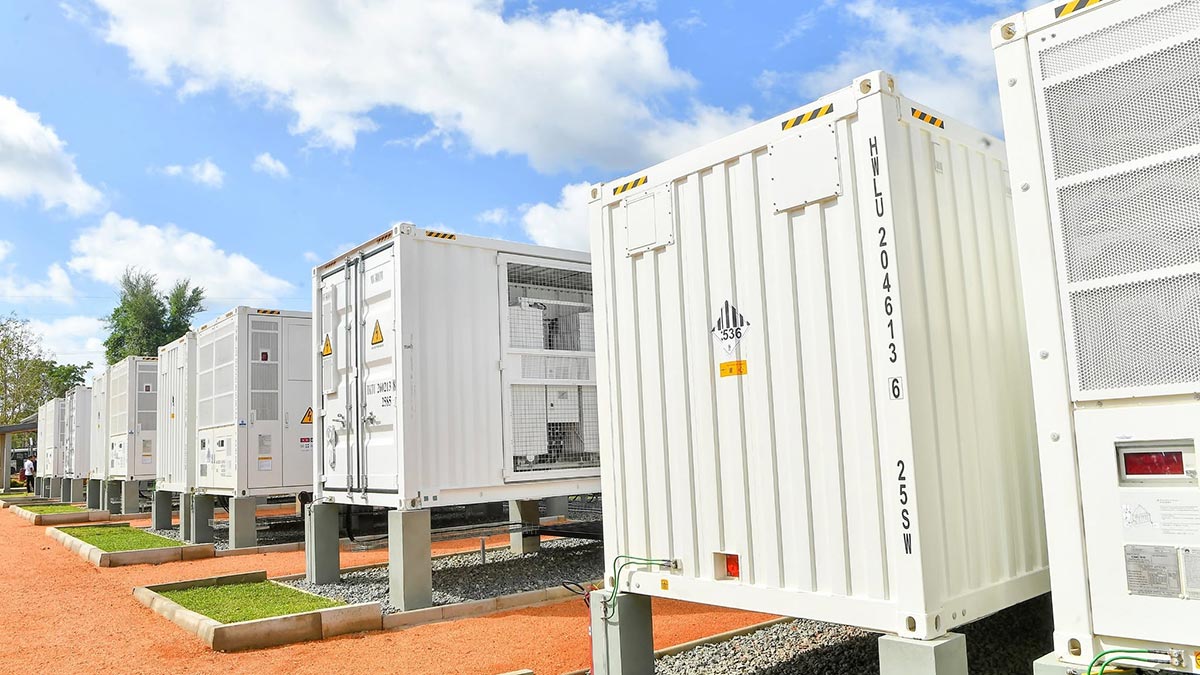
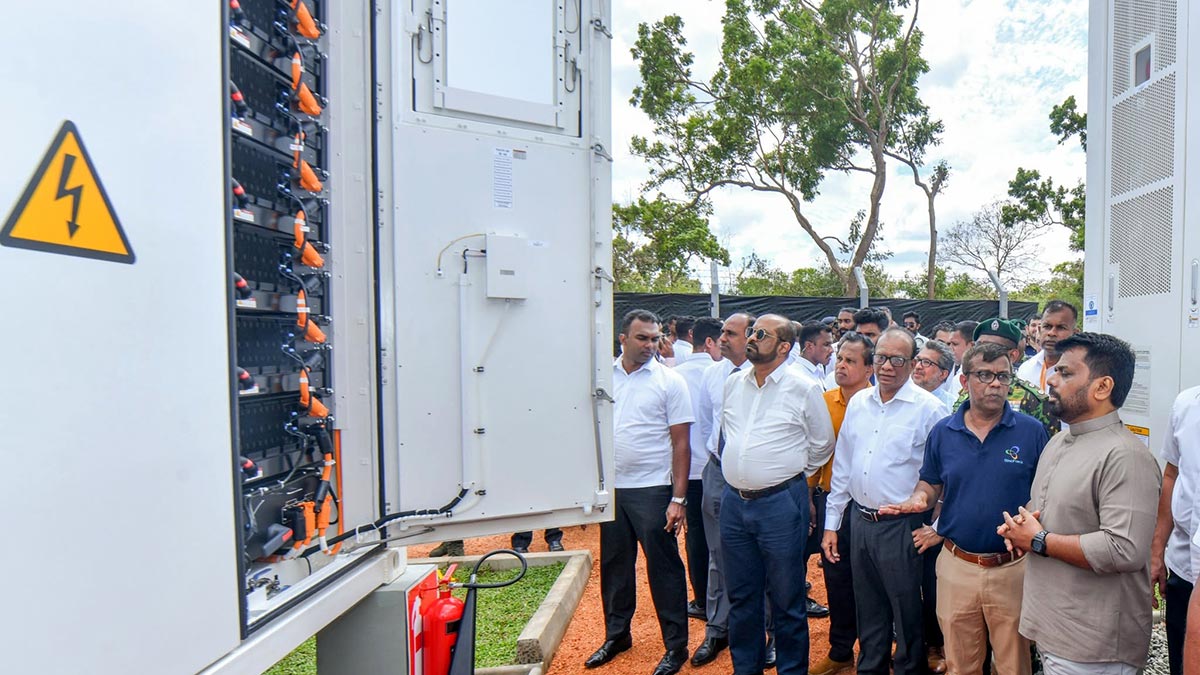
Sri Lanka’s first 10 MW/40 MWh battery energy storage system under a 130 MW storage programme was connected to the national grid in Anuradhapura today (September 18) under the patronage of President Anura Kumara Dissanayake.
The system is designed to store excess solar power generated during the daytime and release it to the national grid during peak electricity demand at night.
The Anuradhapura facility was developed through StoreX (Private) Limited and is the first battery energy storage system under the wider 130 MW/520 MWh programme to be connected to the national grid. Current corporate information describes StoreX as a joint venture involving WindForce PLC and Vidullanka PLC.
The wider programme will comprise 13 battery energy storage systems with a combined capacity of 130 MW/520 MWh. The remaining systems are expected to be completed and connected to the grid within the next two to three months.
Following the unveiling of a commemorative plaque and the connection of the system to the national grid, President Dissanayake inspected the battery storage facility.
As part of the programme, the President also symbolically presented a printer for students of Thammennapura College and awarded 10 scholarships to students studying Mathematics and Science for the G.C.E. Ordinary Level examination.
Addressing the event, Minister of Ports and Civil Aviation and Energy Anura Karunathilake said battery storage would support the Government’s plans to increase renewable energy use, reduce electricity generation costs and provide a more reliable and uninterrupted electricity supply.
The Minister said Sri Lanka currently generates close to 3,000 MW of solar power during the daytime, while average daytime electricity demand is around 2,800 MW. Night-time demand rises to around 3,100 MW, he said.
He added that electricity demand could rise further by February next year due to El Niño conditions.
Karunathilake said the main challenge had been the lack of capacity to store excess solar electricity generated during the day for use at night.
He said battery storage projects with a total capacity of 160 MW are currently being implemented, with WindForce responsible for 130 MW. The Government expects the full 160 MW to be added to the national grid before the end of this year.
The Minister also said the process of calling for bids for several more battery storage projects, including capacities of 400 MW, 250 MW and 150 MW, had already begun, with some projects now at the evaluation stage.
He said the Government expects these projects to be added to the electricity system before the end of 2027, with some possibly completed during the first six months of the year.
According to the Minister, expanding battery storage will allow more renewable electricity to be integrated into the national grid while reducing the need for costly fossil fuel-based electricity generation at night.
Members of Parliament Kumara Jayakody, Professor Sena Nanayakkara and Bhagya Sri Herath, representatives of local authorities, Secretary to the Ministry of Energy and Senior Additional Secretary to the President Russell Aponsu, and Anuradhapura District Secretary Ranjith Wimalasuriya attended the event.
Officials from the Ministry of Energy and the Sri Lanka Sustainable Energy Authority, chairpersons and senior officials of the successor companies of the Ceylon Electricity Board, WindForce PLC Managing Director Manjula Perera and company representatives were also present.