

President visits modern waste management centre in Tokyo
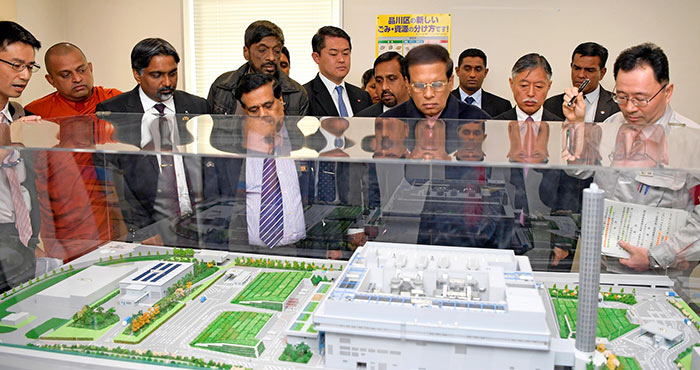
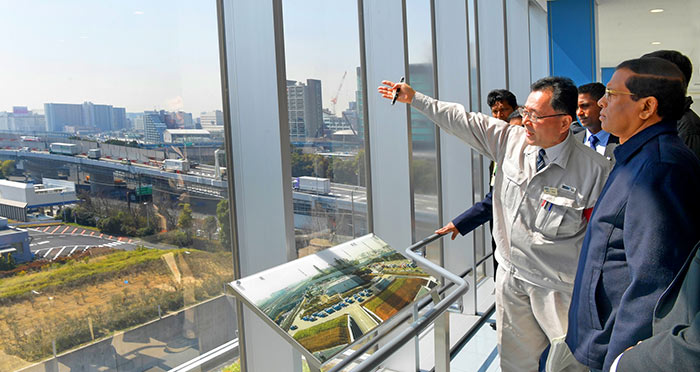
President Maithripala Sirisena, who is on a state visit to Japan, made an observation tour of modern waste management centre in Shinagawa in Tokyo, yesterday (14).
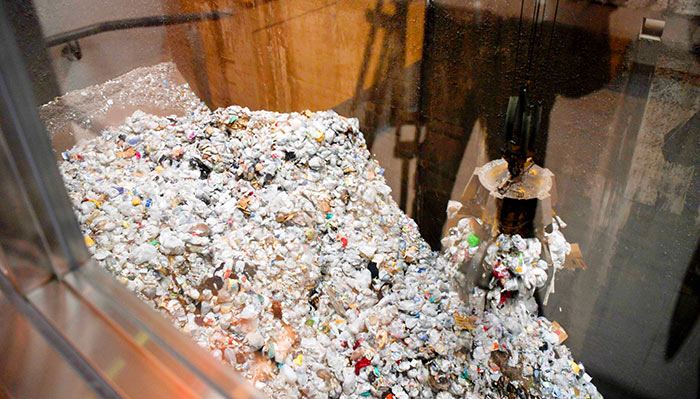
The city of Tokyo over 9.3 million people produces 11,000 metric tonnes of waste daily and there are 23 centres for the purpose of waste management.
The waste management centre located in Shinagawa, which is visited by the President, processes 600 metric tonnes of waste daily.
These activities are being carried out environmental friendly manner utilizing the modern technology.
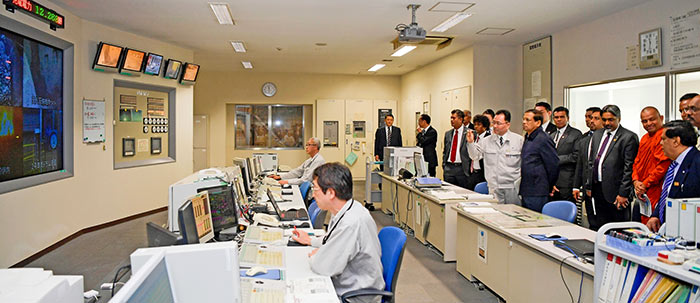
One specialty here is to convert the heat into electrical energy which is a byproduct of the waste management process. While the entire Centre is run by the electricity generated from waste, the remaining electrical energy is added to the national grid.
President Sirisena said that he would inquire about such projects in order to solve the garbage disposal problem in Sri Lanka and would seek the possibility of obtaining assistance from Japan for such projects.
The chief of the waste management centre explained details of the work conducted in the centre to the President and the members the delegation.
Minister Nimal Siripala De Silva, Member of Parliament Ashu Marasighe, and other members were present on this occasion.
(President’s Media)
Developing countries waste money for trainings and foreign visits for waste management.
It is not necessary always to visit or give trainings to implement these things in Sri Lanka.
In some ministries one officer travels abroad more than 6-10 times a year. They have no time to work in Sri Lanka.
But there is no any management of these trainings by so called paripalana sevaya .