

Sri Lanka inflation could rise to 9% by December as Central Bank raises interest rate
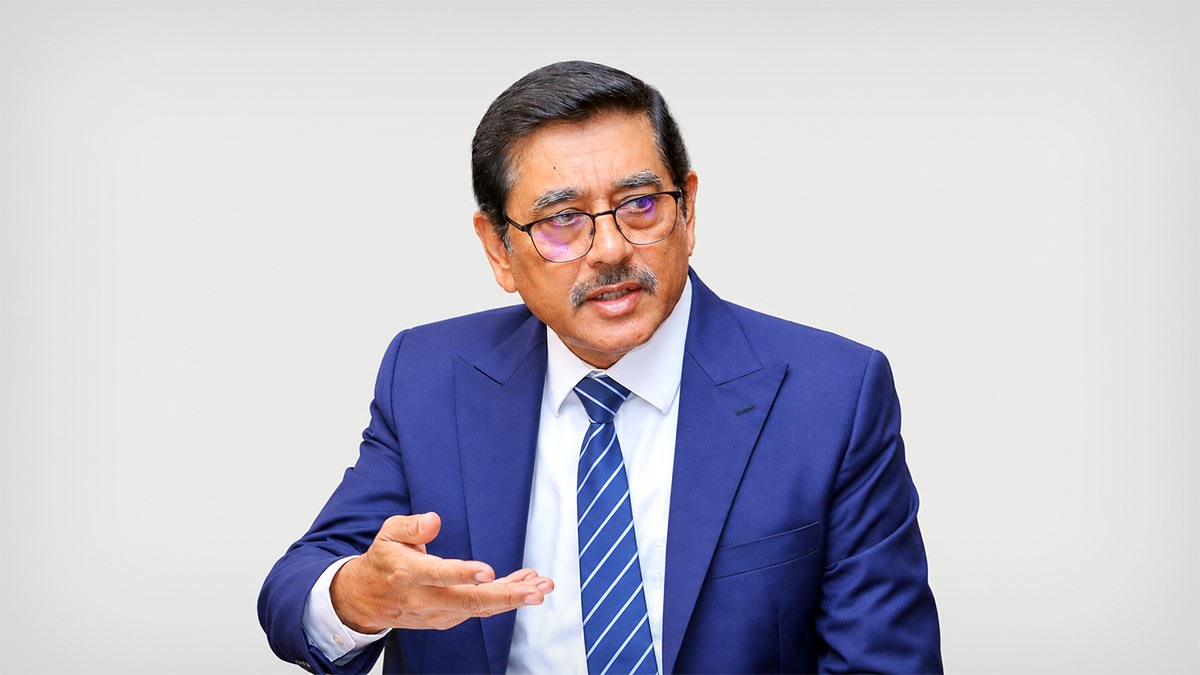
Dr. Nandalal Weerasinghe
Sri Lanka’s inflation rate could reach or exceed 9% by December 2026, Central Bank Governor Dr. Nandalal Weerasinghe warned today (November 20), as the Central Bank raised its key policy interest rate to 9%.
The Governor made these remarks during a press conference held to announce the Central Bank’s latest monetary policy review.
The Monetary Policy Board, which met on November 19, decided to increase the Overnight Policy Rate (OPR) by 25 basis points, from 8.75% to 9.00%, in response to rising inflationary pressures.
Dr. Weerasinghe explained that the ongoing conflict in the Middle East had lasted longer than expected, keeping international fuel prices high and contributing to rising inflation in Sri Lanka.
He said the country’s inflation rate had already reached 8.3% in October 2026.
The Governor said that when the Central Bank raised its policy interest rate in May 2026, it had expected inflation to rise to between 7% and 8% before gradually declining.
However, the situation changed as the conflict in the Middle East continued longer than initially anticipated, preventing global oil prices from stabilising as expected.
“When we raised the policy interest rate in May 2026, our forecast at the time was that inflation would come back down to around 7%. The situation overseas has lasted longer than we expected,” he said.
He explained that although the Central Bank initially expected the conflict to be short-lived, oil prices remained high for longer than anticipated, causing inflation to exceed earlier forecasts.
“Our forecast now shows that by around next month, inflation could reach 9%, exceed it or stay close to that level,” he added.
According to the Central Bank’s official monetary policy statement, rising food prices have also contributed to inflation, while core inflation has increased as the effects of higher energy and food prices spread through the economy.
Although global energy prices have eased somewhat recently, the Central Bank expects the effects of earlier price increases to continue putting pressure on domestic prices in the coming months.
The latest projections indicate that inflation could remain higher for longer than previously expected before returning to the Central Bank’s 5% target in the second half of 2027.
Dr. Weerasinghe stressed the importance of bringing inflation back to the target as soon as possible, warning that high inflation has a serious impact on the economy, people’s living standards and their purchasing power.
Meanwhile, the Central Bank has also decided to increase the Statutory Reserve Requirement (SRR) by one percentage point, from 2% to 3%, effective December 9, 2026.
The decision is intended to reduce excess money in the banking system and help control credit growth, which remains high despite showing signs of slowing.
The Central Bank said market interest rates had already adjusted significantly following its monetary policy tightening measures in May 2026.
It also reported that Sri Lanka’s gross official reserves had increased to approximately US$7.1 billion by the end of October 2026, supported by continued foreign exchange purchases despite government debt repayments. The Sri Lankan rupee remained broadly stable.
The Central Bank said it would continue monitoring domestic and global economic conditions and take further measures when necessary to bring inflation back towards its target while supporting economic growth over the medium term.