

Sri Lanka’s 2027 Budget to focus on economic transformation and job creation
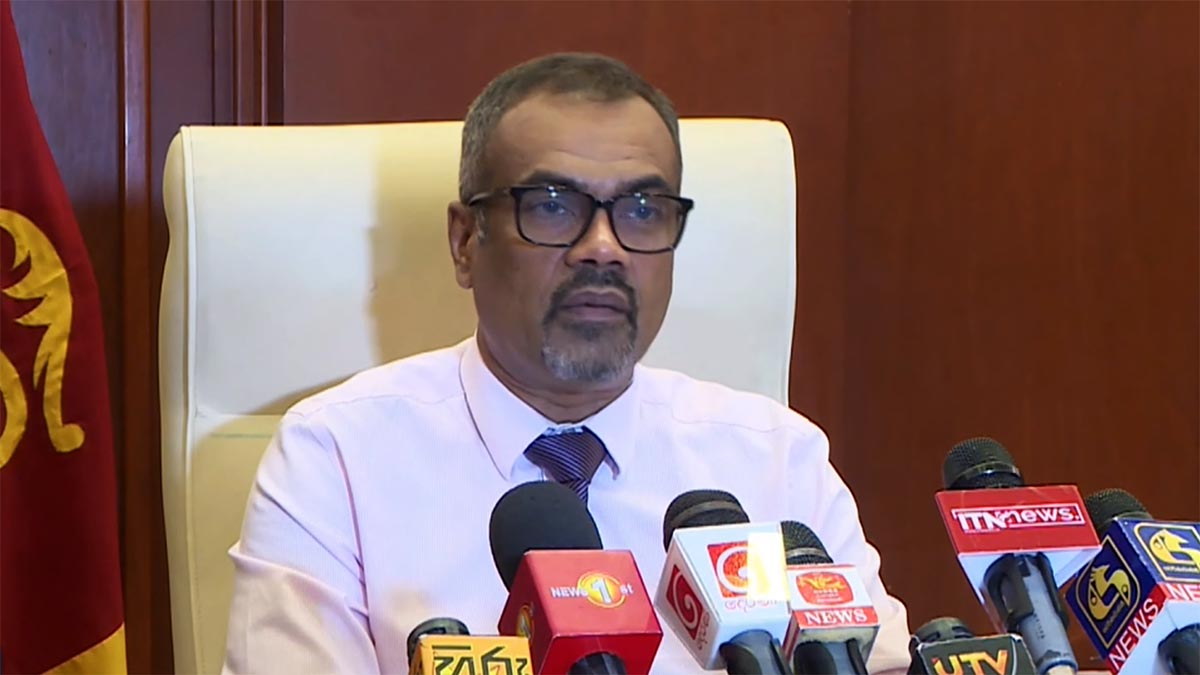
Dr. Anil Jayantha
Sri Lanka’s 2027 Budget should be judged by its plans for investment, job creation and economic growth rather than the amount allocated to individual ministries, Deputy Minister of Finance and Planning Anil Jayantha Fernando said on Wednesday (November 11, 2026).
The Deputy Minister said the government’s third budget would focus on moving Sri Lanka beyond economic recovery and into a new phase of economic growth and transformation.
He explained that the first two budgets of the current administration mainly focused on stabilising the economy following one of the most difficult economic periods in the country’s history.
However, with economic stability gradually being restored, the government is now shifting its attention from economic stabilisation to long-term economic transformation.
According to Fernando, the 2027 Budget will focus on attracting quality investments, creating more employment opportunities, expanding production, increasing exports and encouraging greater public participation in economic activities.
He stressed that the public should not judge the budget simply by looking at which ministry receives the highest allocation or how much money is assigned to a particular sector.
Instead, he said, greater attention should be given to the government’s broader economic vision and how its spending priorities would support long-term growth.
The Deputy Minister explained that economic transformation requires quality investments, more jobs, increased production targeting export markets and better opportunities for people to participate in economic activities.
He also emphasised the importance of ensuring that the benefits of economic growth reach ordinary citizens through improved living standards, employment opportunities and higher incomes.
Fernando said financial discipline would remain a key priority in 2027, while the government would continue its efforts to reduce waste and corruption in public spending.
He noted that welfare benefits, government assistance programmes and possible tax concessions could be included in the budget, but these measures should not be considered its main features.
Instead, the 2027 Budget should be viewed as a roadmap for gradually transforming Sri Lanka’s economy through targeted investments and carefully prioritised government spending.
Describing the upcoming proposal as a “budget of hope,” Fernando said it would build on the economic stability achieved in recent years and lay the foundation for sustainable economic growth, more employment opportunities and higher incomes.
The Deputy Minister stressed that while the government’s earlier budgets concentrated on restoring economic stability, the next phase would focus on transforming the economy and ensuring that the benefits of growth reach the people.