

Sri Lanka’s fuel pricing, tyre standards and Aswesuma benefits reviewed by COPF
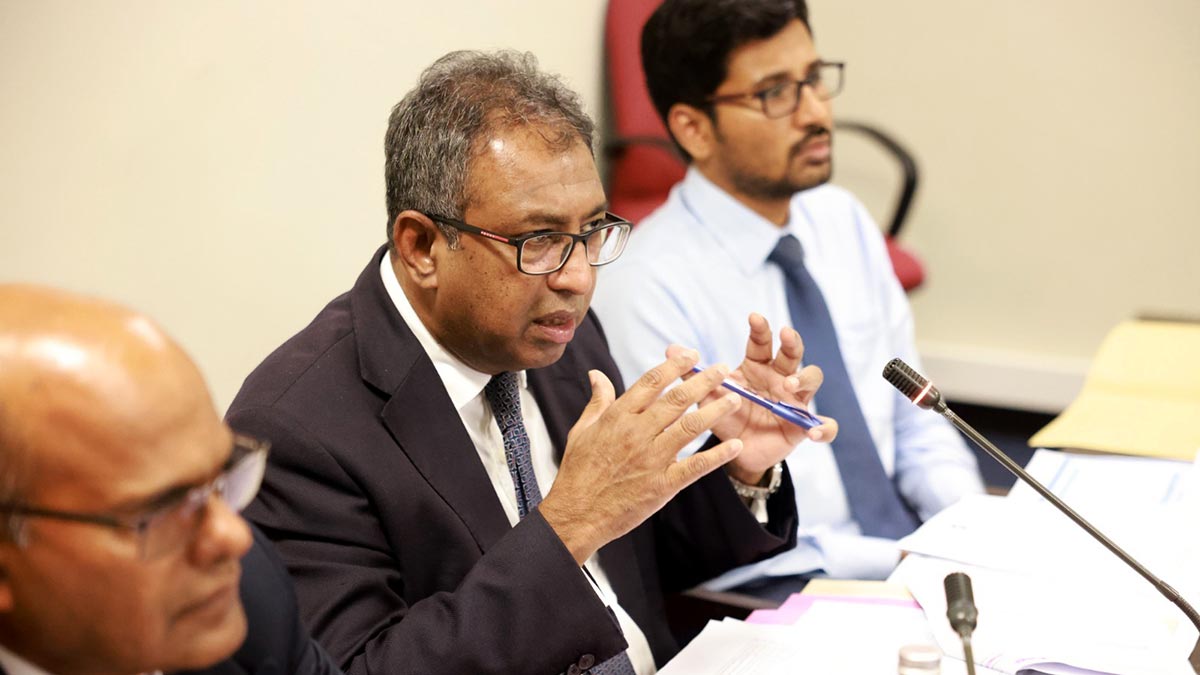
Sri Lanka’s Committee on Public Finance (COPF) has raised concerns over fuel market competition, new vehicle tyre import standards and the selection of beneficiaries under the Aswesuma Welfare Benefits Programme.
These matters were discussed when the Committee met in Parliament on November 3, 2026, under the chairmanship of MP Dr. Harsha de Silva.
The meeting focused on regulations published under the Imports and Exports (Control) Act through Extraordinary Gazette No. 2508/27 dated October 1, 2026, and Supplementary Estimate No. 07 of 2026.
Fuel pricing and market competition
The Committee held detailed discussions on Sri Lanka’s fuel pricing mechanism and the need to ensure fair competition among fuel suppliers.
Officials explained that the formula used to determine fuel prices includes import landing costs, taxes and distribution expenses.
It was revealed that the Ceylon Petroleum Corporation (CPC) produces part of the country’s fuel requirements at its refinery, while private fuel companies import all their refined fuel.
The Committee observed a significant difference between the landing costs of foreign fuel companies and those of the CPC. However, private companies also have to determine their prices based on the fuel prices announced by the CPC.
Members raised concerns that these differences could create an imbalance in market competition.
The Committee discussed the importance of ensuring fair competition among all fuel suppliers, maintaining transparency in fuel pricing and establishing an independent regulatory mechanism.
Under Supplementary Estimate No. 07 of 2026, discussions also focused on providing a diesel price subsidy and an additional allowance for Aswesuma beneficiary families as part of a relief programme for people affected by the conflict in the Middle East.
The Committee emphasised that fuel subsidies should mainly target people who need financial assistance and the public transport sector, rather than providing the same subsidy to all consumers.
New standards for imported vehicle tyres
The Committee also examined the introduction of new standards for imported vehicle tyres and the practical difficulties in implementing the regulations.
Officials explained that the main objectives were to prevent the import of substandard tyres, improve road safety and protect local manufacturers.
However, concerns were raised that the three-month grace period given to importers to comply with the new standards was insufficient.
Members also discussed the limited facilities available in Sri Lanka to conduct the tests required under the new regulations.
The Committee questioned whether the standards could give local tyre manufacturers an unfair advantage over importers and negatively affect consumers.
It stressed the need to introduce regulations that maintain fair market competition while protecting consumer rights and ensuring road safety.
Aswesuma beneficiary selection
The Committee also reviewed the selection process under the Aswesuma Welfare Benefits Programme, including the 22 criteria used to identify eligible families and the procedures followed to verify their information.
Members emphasised the importance of accurately checking beneficiary information to ensure that families entitled to welfare assistance are not excluded from the programme.
They also stressed the need to prevent people who do not meet the eligibility requirements from being included in the beneficiary lists.
Deputy Minister Chathuranga Abeysinghe and MPs Ravi Karunanayake, Harshana Rajakaruna, Shanakiyan Rajaputhiran Rasamanickam, M. K. M. Aslam, Nimal Palihena, Wijesiri Basnayake, Thilina Samarakoon, Ajith Agalakada and Sunil Rajapaksha attended the meeting.