

Sri Lanka considers accelerated national programme to eliminate rabies
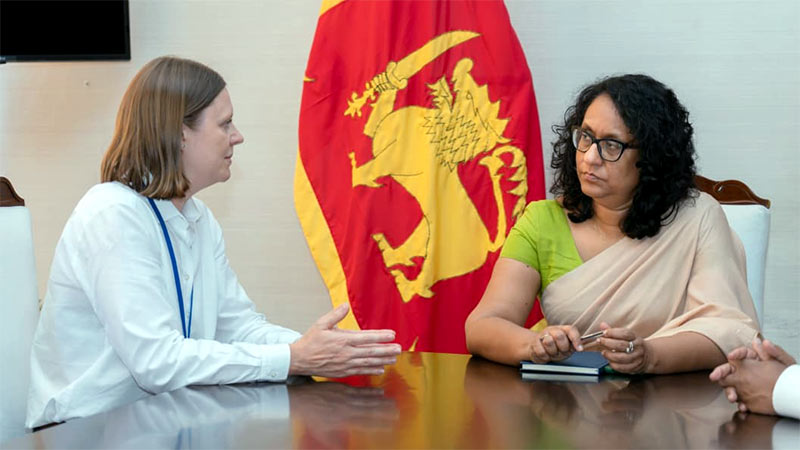
Sri Lanka is considering an accelerated national programme using three-year dog vaccines to eliminate rabies, improve animal welfare and control the street animal population.
The proposal was discussed on July 21 at the Parliamentary Complex during a meeting between Prime Minister Dr. Harini Amarasuriya and a special delegation representing Battersea, a leading animal welfare organisation in the United Kingdom, and the International Companion Animal Management Coalition (ICAM-UK).
The delegation proposed introducing the “No Dog Left Behind” approach, which aims to vaccinate the maximum possible number of dogs within a short period. The vaccine used under the programme would provide protection against rabies for three years.
The experts said this would be more effective than continuing with the existing target of vaccinating 70% of the dog population. They also said the approach could reduce the high cost currently incurred on rabies Post-Exposure Prophylaxis given to people after possible exposure to the virus.
The meeting discussed training and deploying personnel through local government institutions to carry out dog vaccinations. This is expected to help overcome the shortage of veterinarians and existing administrative difficulties.
Under the proposal, the programme would initially be implemented in the Western Province before being expanded across the country.
The participants also considered establishing a Presidential Task Force to manage the programme directly and efficiently as a national priority.
The experts stressed that high-quality vaccines, a secure cold chain for vaccine storage and transportation, and supervision by the central government would be essential for the successful control of rabies.
Prime Minister Dr. Harini Amarasuriya said animal welfare and the elimination of rabies are priorities of the government.
She said the government would provide the necessary support to advance the national plan through cooperation among local government institutions, relevant ministries and international organisations, while addressing the practical difficulties affecting its implementation.
The discussion was attended by Battersea representative Roxanne Sahar Nazir; ICAM representatives Dr. Elaine Francisca Hiby, Dr. Eric Joseph Brum and Patrick Gerard; and Colombo Municipal Council Chief Veterinary Surgeon Dr. M. Ijas.