

Sri Lanka steps up fight against drugs as death penalty discussed
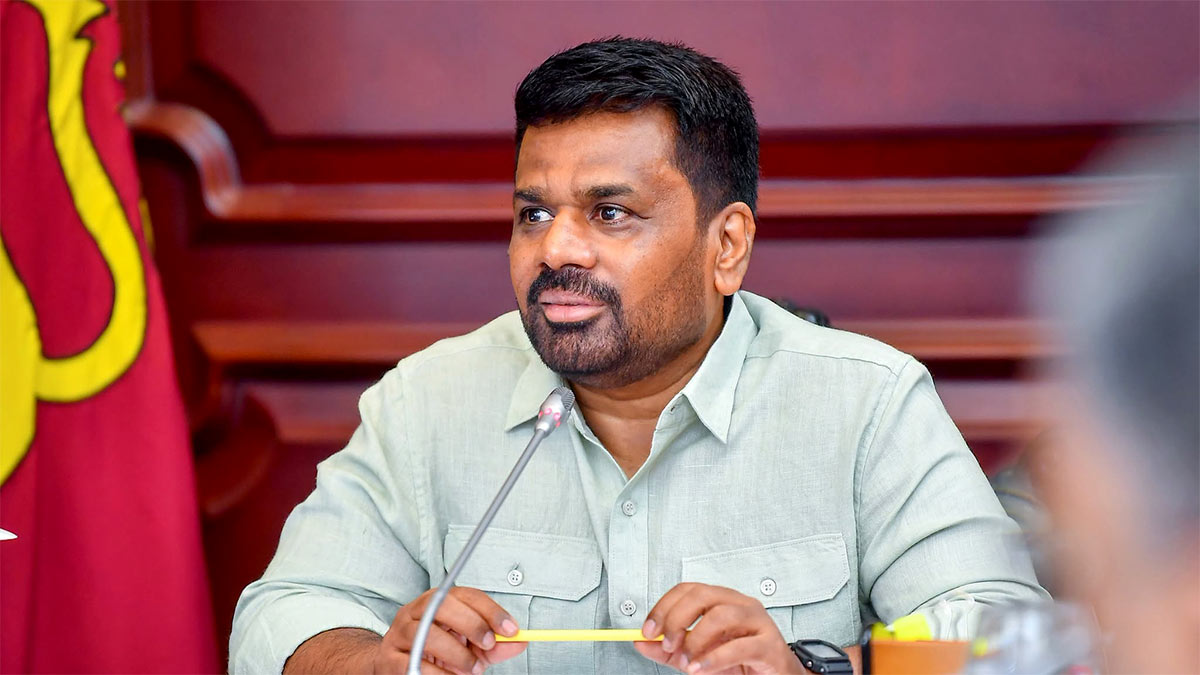
The “A Nation United” (Ratama Ekata) National Steering Council has discussed the imposition of the death penalty for drug-related offences as part of stronger measures to tackle Sri Lanka’s worsening drug problem.
The matter was discussed when the National Steering Council met at the Presidential Secretariat in Colombo this morning (August 10), under the chairmanship of President Anura Kumara Dissanayake.
The Council noted that the dangerous drug menace has moved beyond individual relationships and now poses a serious threat to the country’s economic and social fabric, with the situation continuing to worsen.
It discussed the need to enforce stringent laws to counter the criminal environment created by the vast wealth generated through drug trafficking. The Council noted that drug-related crime has become a major threat to the economy, tourism industry and the country’s system of social values, and stressed the need to build a society that is not fearful of drug trafficking and related crime.
President Dissanayake stressed the need for practical action and an urgent change in attitudes to eradicate the drug menace, which he said is destroying the social fabric and threatening future generations.
He said the Government expects the active contribution of religious leaders, parents and community organisations towards this effort.
The meeting also held extensive discussions on the institutional changes required in response to the scale of the national crisis.
It was noted that amendments to laws relating to drug control and the bail process have already been drafted and are at the final stage. They are due to be gazetted and presented to Parliament expeditiously.
The Council was informed that the process of issuing Government Analyst’s reports, which had contributed to delays in drug-related cases, has been significantly expedited, with 6,414 reports issued in July alone.
The President instructed officials to introduce a specific system of classifying data according to the quantities of drugs seized, such as less than 5 grams, less than 10 grams and other categories.
The measure is intended to expedite legal proceedings involving people held in custody due to delays in receiving Government Analyst’s reports.
He also instructed officials to establish a systematic process for close coordination among the Government Analyst’s Department, Sri Lanka Police and the Department of Prisons so that suspects can be produced before court as soon as the relevant reports are received.
The President also inquired about steps being taken to increase the capacity of the Government Analyst’s Department and expand its facilities.
It was noted that assistance from the Sri Lanka Navy is being obtained to address staff shortages. The President also instructed officials to allocate funds to install a security camera system.
The current situation in prisons was also discussed extensively.
It was revealed that property damage caused by unrest in recent days at Negombo, Mahara, Magazine, Pallansena and Kuruwita prisons had exceeded Rs. 255 million.
The meeting also discussed increasing access to the services of psychiatrists to help reduce unruly behaviour among prison inmates.
President Dissanayake instructed officials to expedite the presentation to Parliament of the draft amendment to the Rehabilitation Act, No. 54 of 2007.
He further instructed that experienced retired officers be recruited on a contractual basis to speed up work and overcome delays at the Legal Draftsman’s Department.
The progress of the “Mituru Pasala” programme, jointly implemented by the Ministries of Education and Health to prevent the spread of drugs within the school system, was also reviewed.
It was noted that special attention is being given to the personality development of students, while teachers, principals and counsellors are being trained to identify children who use drugs and provide them with guidance.
The President instructed officials to implement special programmes focusing particularly on schools in areas with a high risk of drug use and high population density.
The Steering Council was also informed that the spread of dangerous drugs among children attending international schools has increased, prompting special attention to the issue.
The meeting discussed the availability of drug-testing kits through pharmacies, which would allow parents to privately test whether their children are using drugs, as well as the importance of parents remaining vigilant about their children’s wellbeing.
Attention was also drawn to groups promoting drugs through the internet and social media. The possibility of using social media to promote anti-drug attitudes in society was also discussed.
The meeting reviewed the progress of programmes being implemented under the Multisectoral National Strategic Plan.
The plan is jointly implemented by the Ministry of Health and Mass Media; Ministry of Education, Higher Education and Vocational Education; Ministry of Public Security and Parliamentary Affairs; National Dangerous Drugs Control Board; Bureau of Rehabilitation; Sri Lanka Police; Tri-Forces; Department of Community Corrections; Department of Prisons; Department of Probation and Childcare Services; National Child Protection Authority; Department of Social Services; and the “Praja Shakthi” programme.
The programmes are being implemented under six revised strategic areas: prevention of drug use; early identification; rehabilitation; legal amendments and institutional changes; prevention of relapse and follow-up; and planning, regulation, review and reporting.
Members of the Maha Sangha, including the Anu Nayaka Thera of the Malwathu Chapter; Ven. Narampanawe Ananda Thera, Anu Nayaka Thera of the Asgiri Chapter; Ven. Waleboda Gunasiri Thera, Anu Nayaka Thera of the Ramanna Maha Nikaya; and Ven. Kuppiyawatte Bodhananda Thera attended the meeting.
Other religious clergy present included Rev. Fr. Jude Bernard, Sri Velu Suresh Sharma Kurukkal, Muththusamy Alagesan Kurukkal and Sheikh Mohamed Arkam Nooramith Moulavi.
Minister of Public Security and Parliamentary Affairs Ananda Wijepala; Secretary to the President Dr Nandika Sanath Kumanayake; Senior Additional Secretary to the President Roshan Gamage; Secretary to the Ministry of Defence Air Vice Marshal Sampath Thuyacontha (Retd); Secretary to the Ministry of Justice and National Integration Ayesha Jinaseena; ministry secretaries and officials; Inspector General of Police Attorney-at-Law Priyantha Weerasooriya; senior officers of the security forces; and others also attended.