
Malcolm Cardinal Ranjith rejects death penalty, calls for justice for Easter attack victims
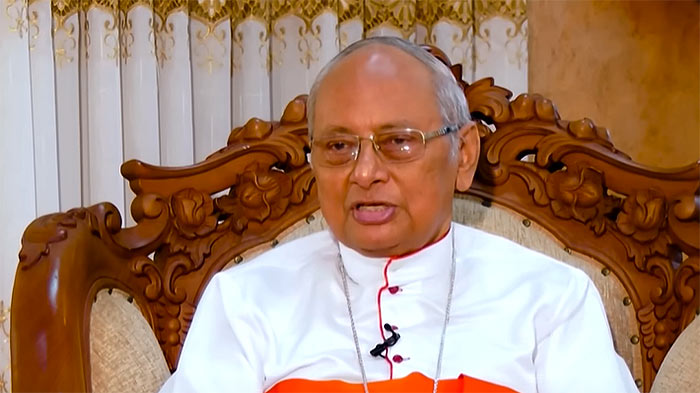
FILE PHOTO
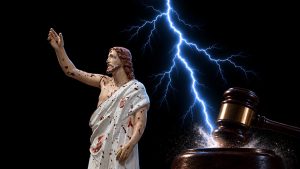
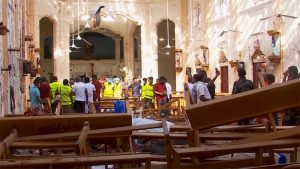
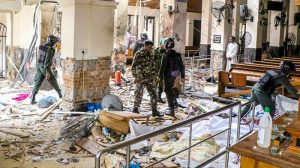
The Archdiocese of Colombo says it cannot support the death penalty under any circumstances, while stressing that those responsible for the 2019 Easter Sunday bomb attacks must be identified and justice delivered to the victims.
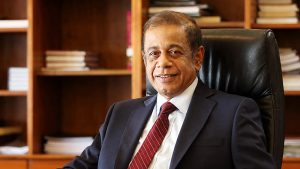
In a statement dated August 10, 2026, the Archbishop of Colombo, Malcolm Cardinal Ranjith, said the Archdiocese continues to stand in full solidarity with the victims of the Easter Sunday attacks amid recent public discussion surrounding the bombings.
The Archdiocese said it remains firmly committed to efforts to identify the mastermind or masterminds behind the attacks, as well as all other parties involved, and to ensure that justice is delivered to the victims in accordance with Sri Lankan law.
The statement also stressed the need to educate the public on preventing further organized or extremist attacks at places of religious worship or any other location in the country.
It said all those holding positions of authority must make every possible effort to prevent such a tragedy from happening again.
However, the Archdiocese said the death penalty is unacceptable under paragraph 2267 of the Catechism of the Catholic Church because it violates human dignity.
It said that, in keeping with the teachings of the Catholic Church, it cannot agree with the imposition of the death penalty under any circumstances.
The Archdiocese also stressed that it has full confidence in the independence of the Sri Lankan judiciary and said the statement was not intended to interfere in any way with judicial decisions or deliberations.
The statement said the Catholic Church does not seek revenge and referred to the teachings of Saint John Paul II, who said people are called to forgive from the heart while overcoming feelings of hurt and personal revenge.
At the same time, Saint John Paul II had emphasized that civil society and legal systems must maintain public order and ensure justice and accountability through established judicial processes.
These views were expressed in his message titled “No Peace Without Justice, No Justice Without Forgiveness,” issued for the World Day of Peace on January 1, 2002.