

Extreme heat warning issued across Sri Lanka as health risks rise
(Image credit: Courtesy of the respective owners)
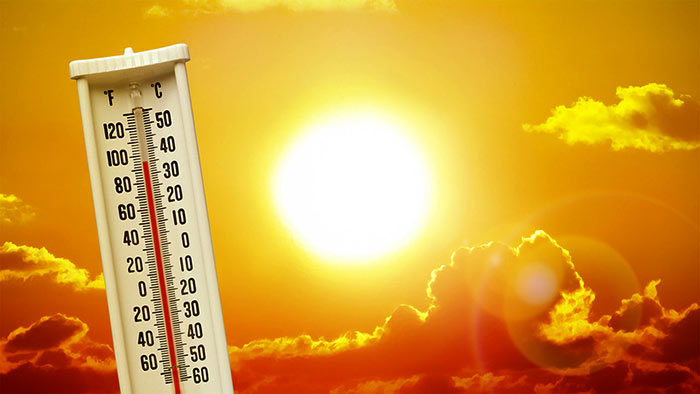
Sri Lanka is experiencing extreme heat today (March 26), with the Department of Meteorology warning that the heat index will reach “extreme caution” levels in several parts of the country.
Authorities are urging the public to take necessary precautions as high temperatures continue to affect daily life.
The heat warning applies to the Western, Sabaragamuwa, Southern, and North-Western provinces, as well as the districts of Anuradhapura, Mannar, Vavuniya, and Monaragala.
Residents in these areas are at increased risk due to the rising heat index and hot weather conditions.
Health Risks Increase as Temperatures Rise in Sri Lanka
Health officials warn that prolonged exposure to extreme heat in Sri Lanka can pose serious risks. People are advised to stay alert, avoid direct sunlight whenever possible, drink plenty of water, and limit outdoor activities during peak heat hours.
Consultant Psychiatrist Dr. Rumi Ruben of Galle Karapitiya Hospital stated that the intense heat could also affect mental health. According to him, high temperatures may lead to confusion and psychological distress in some individuals.
Officials emphasize the importance of protecting both physical and mental health during this period of extreme heat and high temperatures in Sri Lanka.
Animals Face Heatstroke and Dehydration Risks
As temperatures continue to rise across Sri Lanka, veterinarians warn that animals are also facing serious heat-related risks, especially dehydration.
Dr. Uditha Wijesinghe stated that pets, farm animals, and birds are vulnerable to heatstroke, sunburn, diseases, and parasite infestations during hot weather conditions.
He highlighted that dehydration is the most significant threat, as animals lose water rapidly in high temperatures.
This can result in weakness, organ failure, or even death if not addressed promptly.
How to Protect Pets and Farm Animals During Extreme Heat
Pet owners are advised to monitor animals closely for signs of dehydration, such as sunken eyes, a dry mouth, and a rapid heartbeat.
To reduce heat stress, animals should be kept cool with proper ventilation, adequate water, and sufficient shade.
Farm animals require large amounts of water, for example, cattle need about 120 litres daily while pets must also receive enough water each day to stay healthy.
Extra care should be given to young, elderly, or sick animals, as they are more vulnerable to extreme heat.
Owners are also encouraged to avoid heavy activity during the hottest hours of the day and to help animals cool down with water or bathing.
Public Urged to Take Precautions Amid Ongoing Heatwave
With extreme heat conditions continuing across Sri Lanka, authorities stress the importance of taking preventive measures.
Staying hydrated, avoiding prolonged sun exposure, and ensuring proper care for both people and animals are essential during this period of high temperatures.

Latest Headlines in Sri Lanka
- Russia pledges support to Sri Lanka amid Middle East crisis March 26, 2026
- Russia agrees immediate fuel supply to Sri Lanka March 26, 2026
- Court orders Suresh Sallay to be produced on April 22, 2026 March 26, 2026
- Sri Lanka exports rise to $1.4 Billion in February on services surge March 26, 2026
- Russian Deputy Energy Minister arrives in Sri Lanka for fuel talks March 26, 2026