

Sri Lanka records higher-than-expected green gram harvest
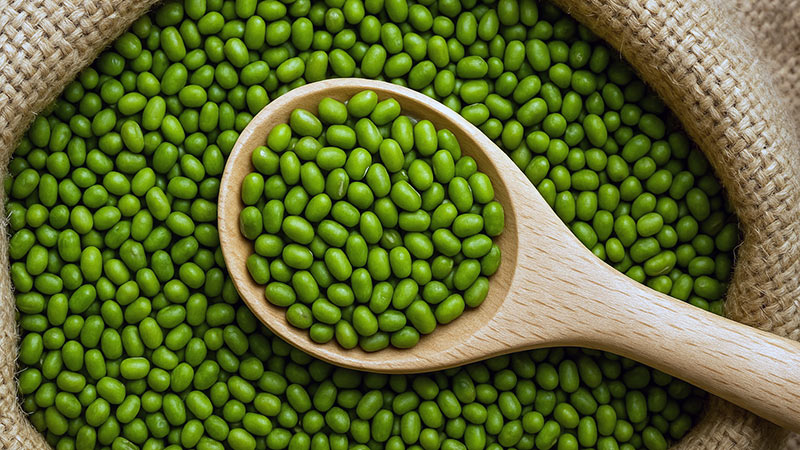
AI-generated image
Sri Lanka’s green gram harvest this season has brought encouraging results, with yields surpassing earlier expectations.
While the anticipated yield was around 250–300 kilograms per acre, farmers have harvested about 350–400 kilograms per acre, marking a significant increase in production.
In the Hambantota District alone, the total green gram output is estimated at 6,500–7,000 metric tons, contributing greatly to the country’s pulse production. With this bumper harvest, authorities are now focusing on ensuring proper procurement and marketing systems.
As part of this effort, the National Food Promotion Board has launched a purchasing program for green gram. On November 11, around 15 metric tons were bought from farmers in the Weerawila and Lunama areas, marking the start of this initiative.
A notable feature of the harvest season is the active participation of women. Many women in these areas are engaged in harvesting, earning about Rs. 100 per kilogram of green gram picked.
On average, a woman can harvest 40–50 kilograms per day, providing them with a steady source of income. This has not only strengthened household earnings but also created new employment opportunities for women in rural Sri Lanka.
Officials note that if similar yields continue in future seasons, Sri Lanka could reduce its dependence on green gram imports, saving foreign exchange and supporting local farmers.
Additionally, discussions are underway to sell green gram at fair prices through Sathosa outlets, ensuring consumers also benefit from the successful harvest.
Overall, this season’s green gram production stands as a positive sign for Sri Lanka’s agriculture sector, offering both economic and social benefits to farming communities, especially women in rural areas.