
Sri Lanka’s Supreme Court goes fully digital with first-ever paperless hearing
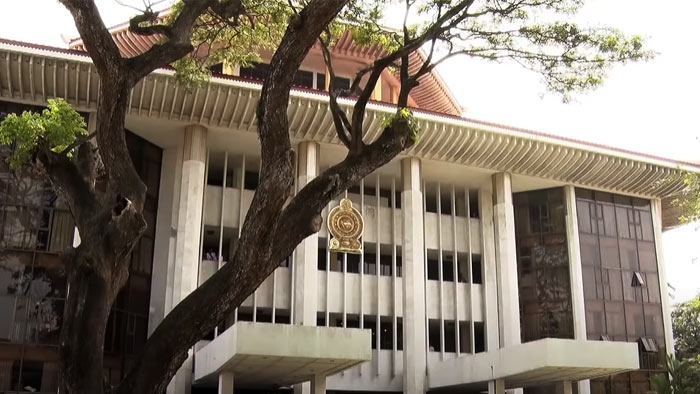
The Supreme Court of Sri Lanka
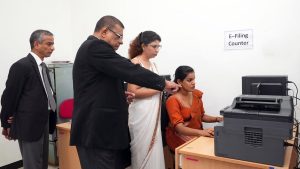
Sri Lanka’s Supreme Court has taken a major step in its digital transformation by holding its first fully electronic, paperless open-court proceeding on March 26, 2026, following the launch of its e-Filing Portal under the e-Courts Project.
The new e-Filing Portal was officially opened to the public on February 10, 2026, allowing Attorneys-at-Law to file cases online. Since then, several cases have already been filed through the system, showing that it is working well and is being accepted by the legal community.
The first case to be handled completely through the e-Filing system was SC Contempt 03/2026. In that case, all parties used digitally submitted documents. During the hearing, the Registrar of the Supreme Court read the charge sheet in open court, digitally signed it, and uploaded it to the system in real time. The charge sheet then became immediately available online to both the Counsel for the Respondents and the Counsel for the Attorney General’s Department for review.
The contempt case was linked to the non-compliance with a Supreme Court judgment delivered on December 31, 2024 in Fundamental Rights Applications relating to the leak of the Grade 5 Scholarship 2024 examination paper. In those cases, one of the Respondents had been ordered to pay Rs. 3 million as compensation to the State. The failure to follow that order led to the filing of proceedings in SC Contempt 03/2026.
The proceedings were heard before Chief Justice Preethi Padman Surasena, Justice Arjuna Obeyesekere, and Justice Dr. Sobitha Rajakaruna.
The event was also attended by Registrar Manodhi Hewawasam, Deputy Registrars Abimani Seneviratne and Tharindu Weerasena, as well as members of the Supreme Court’s IT team and staff. The system was developed with the support of Uvindu Anuradha of Sri Lanka Telecom (SLT-Mobitel), who contributed to the successful development of the e-Filing platform.
The introduction of the e-Filing system is seen as an important step towards a more efficient, transparent, and technologically advanced judiciary. It is expected to make court procedures easier, reduce the use of physical documents, and improve case management. It also brings the Supreme Court of Sri Lanka in line with global trends in digital court administration.
The legal profession is also expected to make greater use of the system because it offers a more cost-effective option than traditional paper-based filing. Preparing lengthy appeal briefs and other court documents usually involves high costs for paper, printing, toner, file covers, related materials, and foreign exchange. Moving to electronic filing is expected to reduce these costs, improve efficiency, and support sustainability in the judicial system.
As the Supreme Court nears its 225th anniversary, this step reflects its forward-looking vision.
The Court remains committed to expanding digitalisation and accelerating the transformation of judicial services across Sri Lanka.