

US proposes 12.5% tariff on Sri Lankan imports
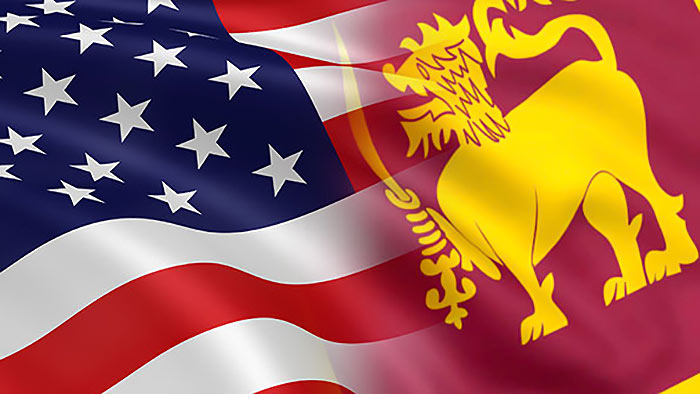
The United States has proposed imposing an additional 12.5% duty on imports from Sri Lanka after an investigation found that the country had failed to effectively prohibit and enforce restrictions on goods made with forced labor.
The proposal was announced by the Office of the United States Trade Representative (USTR) as part of a series of Section 301 investigations into trade practices related to forced labor.
The investigations covered 60 economies, including Sri Lanka, and concluded that their actions or lack of action regarding imports produced with forced labor were unreasonable and burdened or restricted U.S. commerce.
According to the USTR, Sri Lanka failed to impose and effectively enforce a prohibition on the importation of goods produced with forced labor. The agency said such policies and practices create unfair conditions for American workers and justify additional trade measures.
As a result, the USTR has proposed a 12.5% additional duty on goods imported from Sri Lanka. The same rate has been proposed for 44 other economies included in the investigation, bringing the total number of economies facing the higher tariff rate to 45.
Meanwhile, the USTR proposed a lower 10% duty for 15 economies, including Canada, Ecuador, the European Union, Indonesia, Mexico, Pakistan, Argentina, Bangladesh, Cambodia, El Salvador, Guatemala, Malaysia, Taiwan and the United Kingdom.
U.S. Trade Representative Jamieson Greer said the failure of major trading partners to address imports made with forced labor was unacceptable and created an uneven playing field for American workers competing in global markets.
The latest proposal comes as the Trump administration seeks to rebuild emergency tariffs that were struck down by the U.S. Supreme Court in February. The announcement also comes ahead of the July 24 expiration of a temporary 10% tariff imposed by the administration on February 20, the same day the court invalidated tariffs imposed under the International Emergency Economic Powers Act.
The USTR also proposed a textile mechanism that would allow a certain volume of apparel and textile imports to enter the United States at a reduced tariff rate. However, the agency has not disclosed the tariff levels or import volumes that would qualify under the mechanism.
Several products would be exempt from the proposed tariffs, including energy products, rare earth materials and certain other metals, beef, coffee, selected fruits and vegetables, pharmaceuticals, organic chemicals and aircraft parts.
The USTR said it will accept public comments on the proposed tariffs and other remedies until July 6, while a public hearing is scheduled for July 7.
Separately, the trade agency has proposed a 25% duty on many Brazilian goods following a Section 301 investigation into Brazil’s digital trade practices and preferential tariffs. It is also expected to release findings from another major Section 301 investigation into excess industrial capacity among 16 trading partners, including China.