

Sri Lanka declares essential services to ensure recovery after Cyclone Ditwah
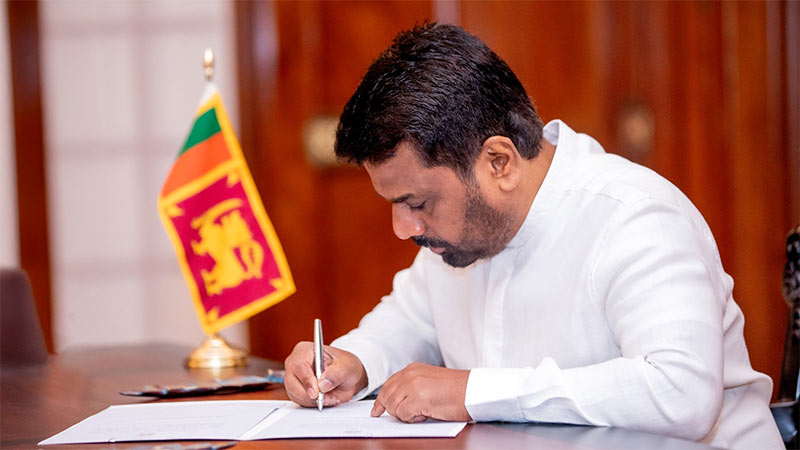
FILE PHOTO
Sri Lanka President Anura Kumara Dissanayake has extended the declaration of essential public services to ensure uninterrupted electricity, fuel, water, health, transport, and food supply in the aftermath of Cyclone Ditwah.
The decision was made under the Essential Public Services Act, No. 61 of 1979, and was issued through a Gazette Extraordinary. It applies to public corporations, government departments, local authorities, and co-operative societies that provide services critical to the life and well-being of the public.
The Gazette lists electricity supply, fuel and gas distribution, hospital and healthcare services, public transport, road, rail, air, port and tourism services, water and drainage, food supply and essential commodities, ambulance services, irrigation, telecommunications and media services as essential.
It also includes state banking and insurance services, including the Central Bank of Sri Lanka, as well as services carried out by district and divisional secretariats, Grama Niladharis, Samurdhi officers, agricultural officers, and other field-level officials involved in public service delivery.
Local authority services such as garbage collection, sewerage, fire-fighting, water and electricity supply, and land reclamation and development have also been declared essential, along with agriculture and agricultural insurance services.
The Gazette states that the move aims to prevent service disruptions and support community survival and recovery following Cyclone Ditwah.
The Order, signed by Secretary to the President Dr. Nandika Sanath Kumanayake, came into effect on January 28, 2026.